Where To Buy RV Leveling Blocks: Best Places To Shop
You can buy RV leveling blocks at RV supply stores, big retailers, hardware stores, and trusted online marketplaces.
Finding where to buy RV leveling blocks is easy once you know what to look for. The right blocks must support your RV’s weight, fit your tires or jacks, and handle outdoor use. This guide explains the best places to shop, how to compare products, and which features help you level your RV safely and quickly.
Best Places to Buy RV Leveling Blocks
The best place to buy RV leveling blocks depends on your RV type, travel plans, budget, and need for expert help. You can shop locally for quick access or order online for a wider range of sizes and designs.
RV dealerships and camping stores
RV dealerships often carry leveling blocks made for travel trailers, fifth wheels, motorhomes, and camper vans. Staff may also help you choose blocks that match your vehicle’s weight and leveling system.
This is a good choice if you want advice before buying. You may also find other useful items, such as wheel chocks, jack pads, sewer hoses, and stabilizer accessories.
The main drawback is price. RV dealerships may charge more than online sellers because they offer local service and specialty products.
Big-box retailers
Large retailers are another practical answer to where to buy RV leveling blocks. Stores with automotive, camping, or outdoor departments often stock basic leveling kits.
Common benefits include:
• Same-day pickup at some locations
• Easy returns
• Low prices on basic plastic blocks
• The chance to inspect the product before buying
Stock can change by season. Call the store or check its website before driving there.
Hardware and home improvement stores
Hardware stores may carry heavy-duty plastic blocks, landscaping blocks, wood products, and other items that look useful for leveling. However, not every product is safe for RV use.
Look for blocks made from strong, weather-resistant material. Avoid products that can crack under heavy loads or slip on pavement. A block designed for a garden shed may not be suitable under an RV tire or jack.
Online RV retailers
Specialty RV websites are often among the best places to buy RV leveling blocks. These retailers usually provide better product details than general stores.
You can compare:
• Weight ratings
• Block dimensions
• Stackable designs
• Customer reviews
• Compatibility with leveling jacks
• Warranty information
Online RV retailers are especially helpful when you need a complete leveling kit rather than one or two basic blocks.
Online marketplaces
Large online marketplaces offer many choices and fast shipping. They can be useful when you know the exact product or brand you want.
Still, read the product description carefully. Some listings use vague terms such as “heavy duty” without stating a clear load rating. Check the seller’s reviews, return policy, and product measurements before ordering.

Where to Buy RV Leveling Blocks Locally
Local shopping is useful when you are leaving for a trip soon or want to see the blocks in person. It also lets you compare size, texture, and build quality before paying.
When deciding where to buy RV leveling blocks locally, check these locations first:
• RV dealerships
• Camping supply stores
• Outdoor recreation stores
• Automotive parts stores
• Hardware stores
• Home improvement stores
• Tractor and farm supply stores
• Large discount retailers
Farm and tractor stores may carry strong plastic ramps and support blocks. These products are sometimes designed for trailers and heavy equipment, but you must still confirm the load rating.
A local store may not have the exact kit you need. For example, a large motorhome may require wider leveling ramps than a small travel trailer. In that case, compare local options with specialty RV products online.

Where to Buy RV Leveling Blocks Online
Online shopping gives you more choices and makes it easier to compare features. It is often the best answer to where to buy RV leveling blocks when local stores have limited stock.
Before placing an order, review the following details:
Load capacity
The block’s load capacity should be higher than the amount of weight placed on it. Do not use the RV’s total weight as the only measurement.
For example, if one tire or jack carries 3,000 pounds, the block under that point must safely handle more than 3,000 pounds. Your RV owner’s manual and weight labels can help you understand the load.
Product dimensions
Check the length, width, and height of each block. A small block may work under a stabilizer jack but fail to support a large tire.
Stackable blocks should fit together securely. Loose or uneven stacks can shift as the RV moves.
Material
Most RV leveling blocks are made from high-strength plastic or another durable composite. Plastic blocks are light, easy to clean, and resistant to moisture.
Wood can work in some situations, but it may split, rot, or absorb water. If you use wood, choose solid lumber without cracks or weak knots, and inspect it often.
Surface grip
A textured surface can help reduce sliding. Some leveling ramps also include grooves that hold the tire in place.
The surface under the block matters, too. Gravel, wet grass, mud, and sloped pavement can reduce stability even when the block itself is strong.
Reviews and product photos
Reviews can reveal problems that are not obvious in the product description. Look for comments about cracks, warping, slipping, and poor fit.
Product photos may also show whether blocks are true leveling ramps, jack pads, wheel chocks, or simple support plates. These items have different uses.

How to Choose the Right RV Leveling Blocks
Knowing where to buy RV leveling blocks is only the first step. You also need to choose a product that fits your RV and your style of travel.
For travel trailers
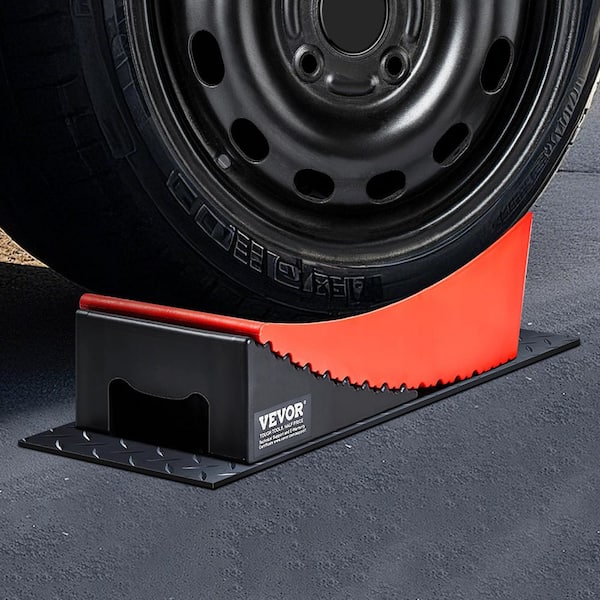
Travel trailers often use leveling blocks under the tires and stabilizer jacks. A ramp-style kit can help raise one side of the trailer to level it from side to side.
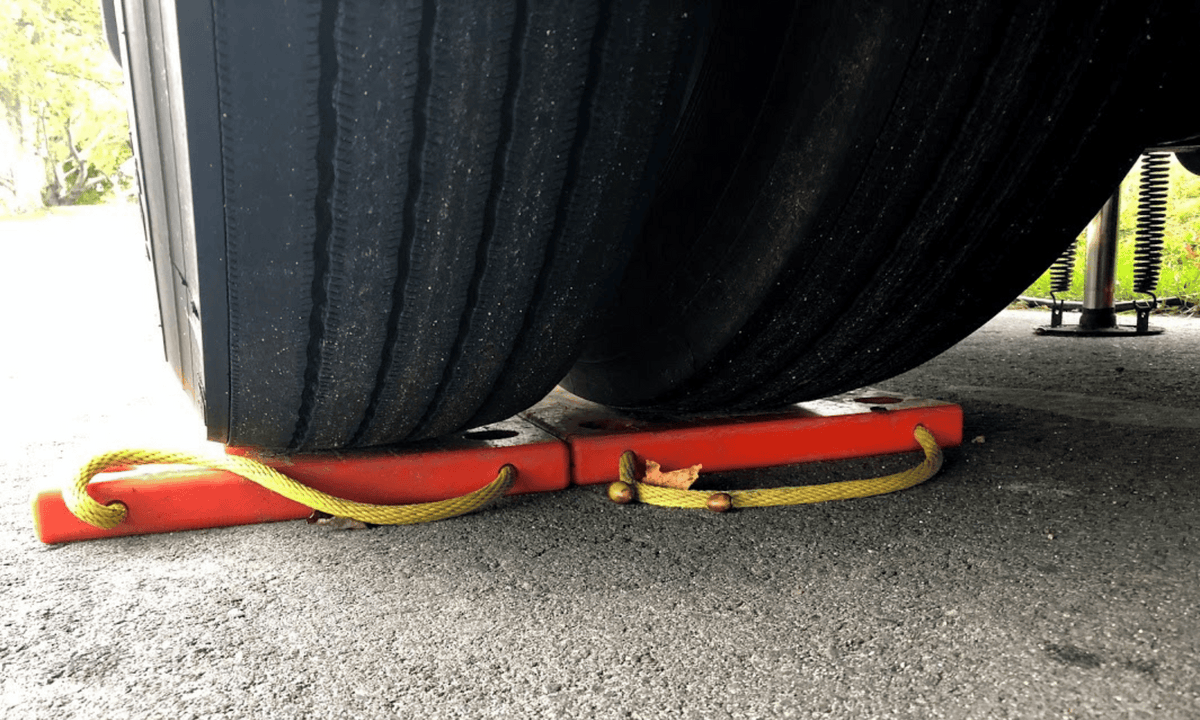
Use wheel chocks after positioning the trailer. Leveling blocks should not replace chocks because blocks help raise or support the RV, while chocks help prevent movement.
For fifth wheels
Fifth wheels may need blocks under landing gear, front jacks, and rear stabilizers. Wide jack pads can spread the load over soft ground.
A fifth wheel may also need tire leveling blocks if the campsite is not even from side to side. Check that the blocks are wide enough for the tires and stable enough for the trailer’s weight.
For motorhomes
Motorhomes often use hydraulic or electric leveling jacks. Jack pads or support blocks can help spread pressure on asphalt, dirt, or grass.
Do not assume that any plastic block will work under a motorhome jack. Review the motorhome manual and leveling system instructions first. Some systems have specific limits for jack extension and support.
For small campers and camper vans
Small campers usually need compact blocks that are easy to store. A small stackable kit may be enough for modest height adjustments.
Avoid buying oversized blocks that take up valuable storage space. Choose a set that provides enough height without adding unnecessary weight.
For soft ground
Soft soil and grass can allow jacks to sink. Wide pads are often better than narrow blocks because they spread weight over a larger area.
In very soft conditions, place a strong, flat base under the leveling block. Check the support during your stay, especially after rain.

How Many RV Leveling Blocks Do You Need?
The number of blocks depends on your RV and the leveling method you use. Many travel trailers need blocks under two or more tires, plus support under stabilizer jacks.
A useful starter setup may include:
• Four to six tire leveling blocks
• Two to four jack pads
• Four wheel chocks
• Extra blocks for soft ground or uneven sites
Some RV owners carry more blocks because campsites vary. A level concrete pad may need very little support, while a dirt site may require several layers.
Avoid stacking more blocks than the manufacturer allows. A taller stack is more likely to shift or lean. When possible, use a longer ramp or a purpose-built leveling system instead of creating a very high stack.
RV Leveling Blocks Compared With Other Options
When researching where to buy RV leveling blocks, you may also see leveling ramps, jack pads, wood planks, and automatic leveling systems. Each option has a different purpose.
Leveling ramps
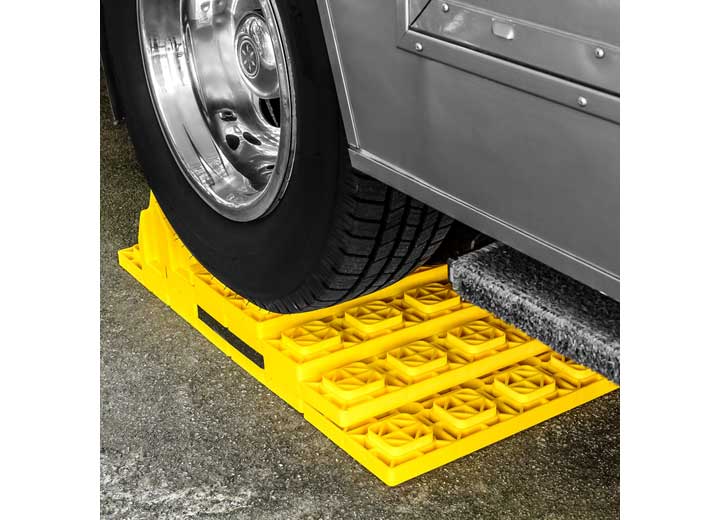
Ramps help raise tires gradually. They are useful for side-to-side leveling and often include grooves to hold the tire.
They are quick to use but may require more storage space than small blocks.
Stackable blocks
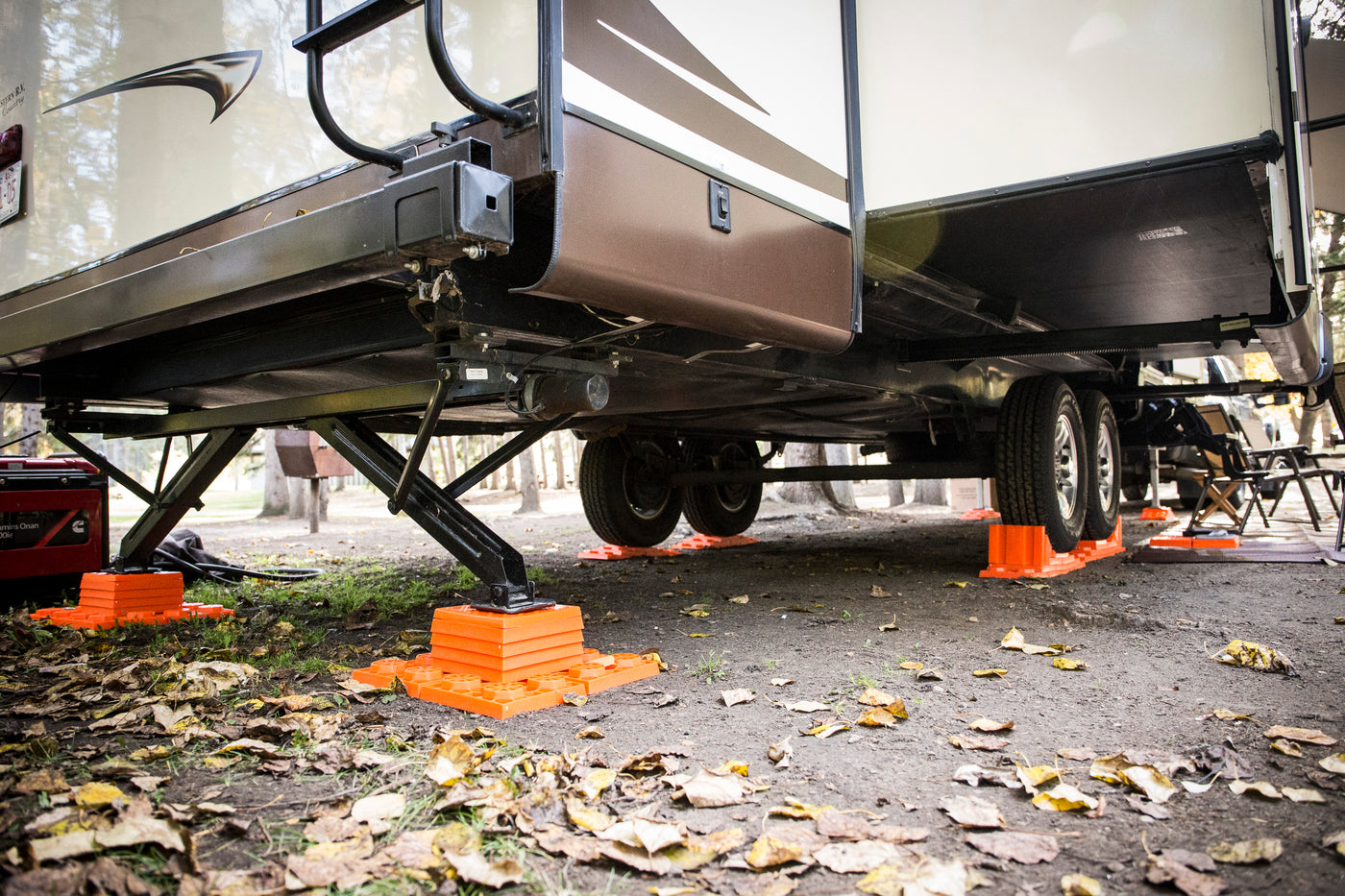
Stackable blocks let you adjust height in small steps. They are light and flexible for different campsites.
The blocks must lock together well. If they do not connect securely, the stack can move under load.
Jack pads
Jack pads sit beneath stabilizer or leveling jacks. They spread pressure and help prevent sinking.
Jack pads do not always replace tire leveling blocks. You may need both, depending on your RV and leveling system.
Wood planks
Wood is inexpensive and widely available. It can work as a temporary solution when it is thick, solid, and placed on stable ground.
Wood is less convenient for long-term travel. It is heavy, can become slippery when wet, and may crack without warning.
Automatic leveling systems
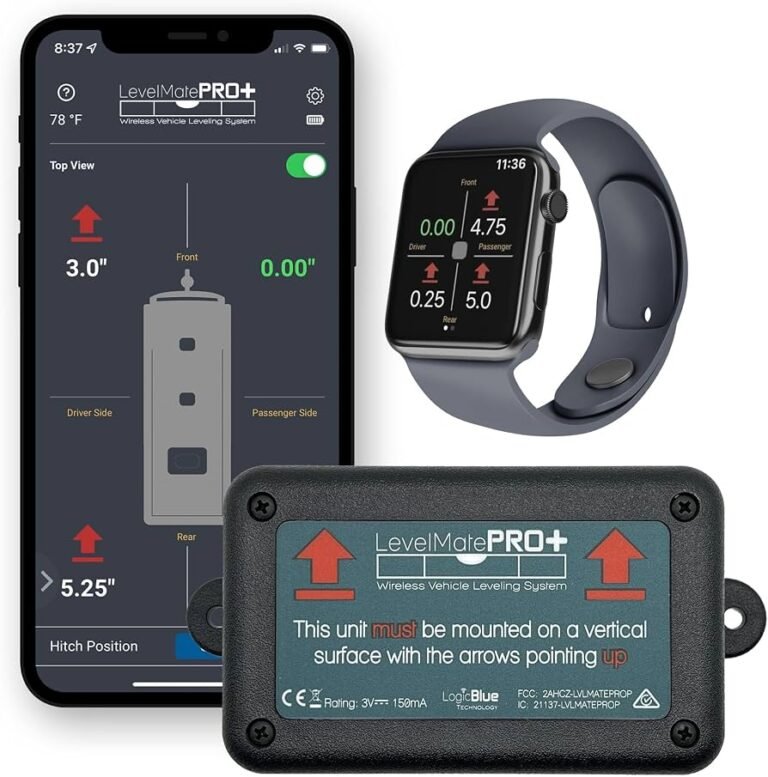
Automatic systems are convenient but cost much more than portable blocks. They also depend on the RV’s built-in equipment and may require professional service.
Portable blocks remain useful even with automatic systems because they can protect jacks from soft ground.

What to Avoid When Buying RV Leveling Blocks
A low price does not always mean good value. Avoid products that lack basic safety and product information.
Do not buy blocks when:
• The load rating is missing
• The material is not clearly identified
• The product has visible cracks or deep scratches
• The dimensions are too small for your tires or jacks
• Reviews mention repeated breakage
• The blocks do not stack or connect securely
• The seller provides no return policy
Do not use ordinary household items as permanent RV supports. Concrete blocks, loose stones, and thin boards can break or shift. A failed support may damage the RV or cause a serious injury.
Also avoid placing leveling blocks on a steep slope. Blocks can help with small adjustments, but they cannot make an unsafe campsite safe.
How Much Do RV Leveling Blocks Cost?
The cost depends on the material, size, number of pieces, and brand. Basic plastic blocks may cost less than a complete heavy-duty leveling kit.
Typical price ranges include:
• Basic block sets: about $20 to $50
• Larger tire leveling kits: about $40 to $100
• Heavy-duty jack pad sets: about $30 to $90
• Complete leveling systems: $100 or more
Prices change by retailer and season. Shipping can also affect the final cost, especially for large kits.
The cheapest option may not be the best choice if it cracks, slips, or cannot support your RV. Consider the total value, including durability, warranty, storage, and ease of use.
Tips for Using RV Leveling Blocks Safely
Proper use matters as much as choosing where to buy RV leveling blocks. Even a strong product can become unsafe when placed on unstable ground.
Follow these steps:
-
Park on the most level section of the site.
-
Inspect the ground for holes, mud, loose gravel, and soft spots.
-
Place the leveling blocks in line with the tires or jacks.
-
Drive onto tire ramps slowly and keep the wheels centered.
-
Use wheel chocks before disconnecting a trailer.
-
Lower stabilizer jacks onto firm pads.
-
Confirm that each block sits flat and remains aligned.
-
Recheck the RV after walking inside and extending slide-outs.
Never use stabilizer jacks to lift the entire RV unless the manufacturer specifically allows it. Stabilizers are designed to reduce movement, not always to carry the full vehicle weight.
Keep hands and feet away from tires, ramps, and moving jacks. If the RV shifts, stop and reset the setup rather than trying to adjust a block by hand.
Lessons From Real RV Leveling Mistakes
In my experience helping RV travelers compare leveling gear, the most common mistake is buying blocks based only on price. A small, thin kit may look fine online but feel unstable under a larger trailer.
Another mistake is forgetting storage. Some leveling ramps work well but take up more room than expected. Before buying, measure the storage compartment and compare it with the packed size of the kit.
I have also seen campers use tire leveling blocks without wheel chocks. That creates a false sense of security. Leveling blocks raise or support the RV, but chocks help stop unwanted movement.
The best habit is to practice at home before a trip. Learn how the blocks fit, where they are stored, and how much height they provide. This can save time when you arrive at a crowded campground after sunset.
A Simple Buying Checklist
Use this checklist before deciding where to buy RV leveling blocks:
• Confirm your RV type and approximate weight.
• Identify whether you need tire ramps, jack pads, or both.
• Check the load rating for each block.
• Measure your tires, jacks, and storage space.
• Choose weather-resistant material.
• Look for a non-slip or textured surface.
• Read recent customer reviews.
• Check the return policy and warranty.
• Buy wheel chocks if you do not already have them.
• Practice using the blocks before your next trip.
This process takes only a few minutes but can prevent a poor purchase. It also helps you avoid buying equipment that does not fit your RV.
Frequently Asked Questions About Where to Buy RV Leveling Blocks
Where is the best place to buy RV leveling blocks?
The best place depends on your needs. RV dealerships and specialty RV stores offer expert help, while online retailers usually provide more choices and detailed comparisons.
Can I buy RV leveling blocks at Walmart or a hardware store?
Many large retailers and hardware stores carry basic leveling blocks or ramps. Check the load rating, dimensions, and material to confirm that the product is suitable for your RV.
Are plastic RV leveling blocks strong enough?
High-quality plastic blocks can support substantial loads when used as directed. Choose blocks with a stated weight rating and inspect them for cracks before every trip.
Do I need leveling blocks for an RV with automatic leveling?
You may still need jack pads or support blocks on soft ground. Always follow the RV and leveling system manuals because some systems have specific requirements.
Can I use concrete blocks under my RV?
Concrete blocks are not a good general-purpose choice because they can crack, crumble, or shift. Purpose-built RV blocks are lighter, easier to handle, and designed for leveling support.
How many RV leveling blocks should I carry?
Many RV owners carry four to six tire blocks and several jack pads. The right number depends on your RV, campsite conditions, and the amount of leveling you normally need.
Are RV leveling blocks and wheel chocks the same?
No. Leveling blocks raise or support the RV, while wheel chocks help prevent the tires from rolling. Safe trailer setup often requires both.
Conclusion
The best answer to where to buy RV leveling blocks may be a local RV store, a big retailer, a hardware supplier, or a trusted online shop. Focus on load capacity, fit, grip, material, storage size, and return protection rather than price alone.
Choose blocks made for your RV, use them on stable ground, and pair them with wheel chocks when needed. Compare your options today, prepare your leveling kit before the next trip, and share your favorite RV gear tips with fellow campers.